NEWS
MET LFR PILOT: ONE ARREST EVERY 35 MINUTES
Fixed cameras on Croydon's high street delivered 173 arrests and a double-digit fall in crime. Here is what made it work
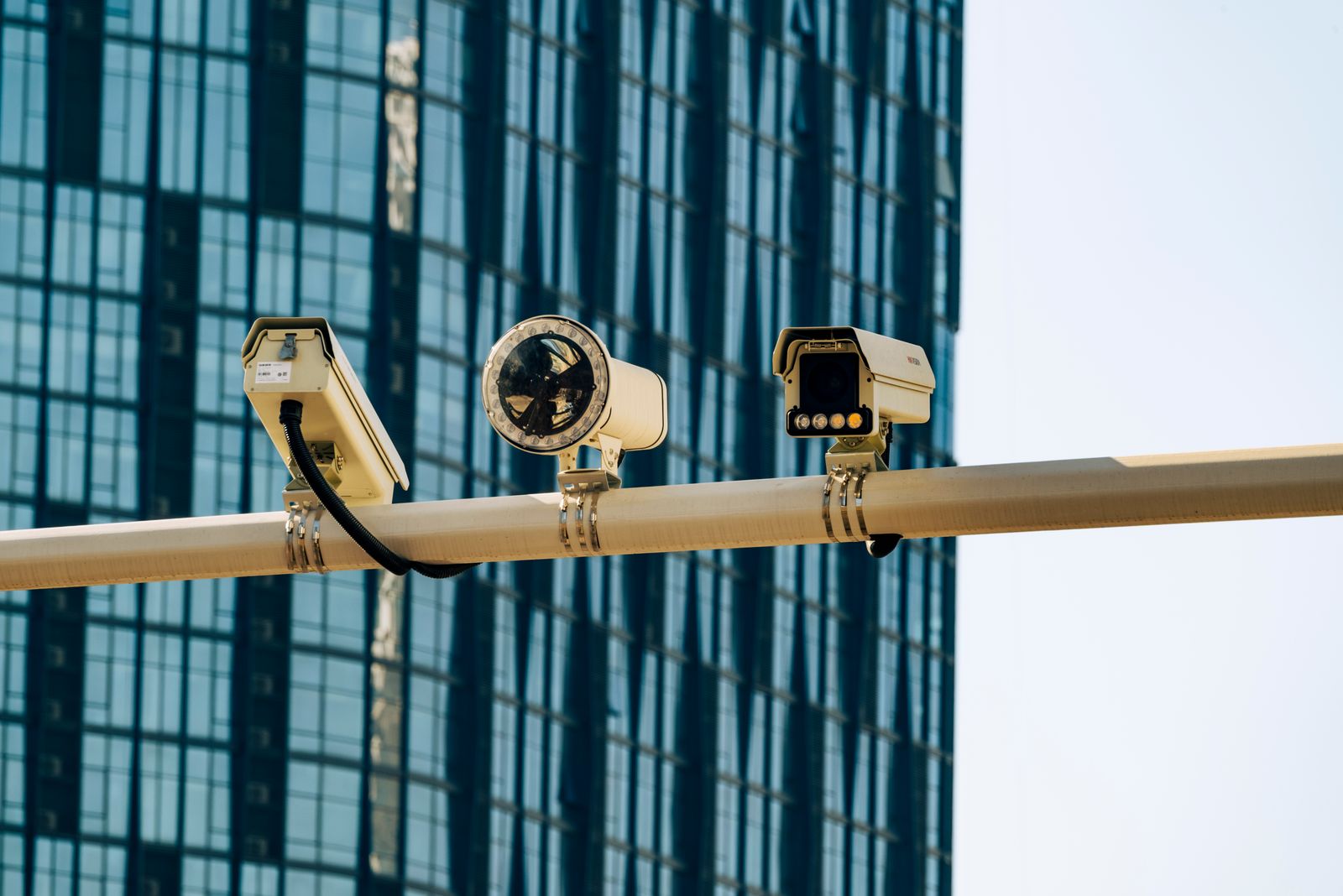
Fixed cameras on Croydon's high street delivered 173 arrests and a double-digit fall in crime. Here is what made it work
The Metropolitan Police has published the results of a six-month pilot in Croydon that marks a first for UK policing: live facial recognition cameras fixed to existing street furniture, rather than mounted on dedicated police vans. The cameras were installed at two locations on Croydon's high street and ran from October 2025 to March 2026.
The headline result is striking. Across 24 operations, officers made 173 arrests, the equivalent of one arrest every 35 minutes of deployment. Those arrested included people wanted for kidnap, rape and serious sexual assault, along with a woman who had been unlawfully at large for more than 20 years.
Crime fell where the cameras worked. Crime in the pilot area dropped by 10.5% compared with the same period the previous year. The biggest reduction was in violence against women and girls, down 21%. And 61% of the offences linked to arrests had been committed in Croydon itself, showing the system was catching offenders where they actually operate.
Accuracy has always been the sharpest question asked of live facial recognition, so this number matters: more than 470,000 people walked past the cameras during the pilot, and there was just one false alert. The person was briefly stopped, officers quickly confirmed the mistake, and they continued on their way. The Met also confirmed that no one has ever been arrested as a result of a false alert from its live facial recognition.
Lindsey Chiswick, the Met and national lead for the technology, said the results show why it is "such a powerful tool when it's used carefully, openly and in the right places".
The detail of how the pilot was run is just as important as the arrest numbers. Each deployment used a bespoke, intelligence-led watchlist created no more than 24 hours in advance and deleted immediately afterwards. The cameras were only switched on while officers were on the ground, ready to respond. And the Met ran ongoing engagement sessions with Croydon residents and councillors to explain how the system works and what protections are in place.
In other words, the technology delivered because it was deployed with discipline: a tightly controlled list of people being looked for, no data kept longer than needed, and openness with the community it was protecting.
Croydon offers a blueprint for any organisation deploying live facial recognition, whatever the setting: a carefully governed watchlist of people there is genuine reason to look for, alerts handled by trained people with a clear process, strict limits on what data is kept and for how long, and openness with the public about what the system is doing and why.
Those are the same principles FaiceTech builds into every deployment. Watchlists belong to the client and are limited to individuals involved in genuine incidents. Biometric data is stored as encrypted templates with tight retention controls, every alert and action is auditable, and a dedicated false-positive workflow, shaped by years of live deployments, sets out exactly what happens on the rare occasion the system gets it wrong. Croydon shows what live facial recognition can achieve when it is deployed with discipline. That standard should be the norm, not the exception.
Metropolitan Police: "Met makes one arrest every 35 minutes during live facial recognition pilot" (13 May 2026)
Biometric Update: "Met Police tout arrests, crime drop from permanent LFR camera pilot" (May 2026)