BLOG
HOW TO RESPOND TO A FACIAL RECOGNITION ALERT IN RETAIL
Why "How Can I Help You Today?" Is the Most Powerful Response in Your Toolkit
Why "How Can I Help You Today?" Is the Most Powerful Response in Your Toolkit
A facial recognition alert means one thing: the system has identified a match between someone in your store and someone on your watchlist. That is all. It is not a conviction. It is not proof of intent. It is information, and how your team acts on that information defines everything. At FaiceTech, we train our customers to treat every alert as the beginning of a conversation, not a confrontation.
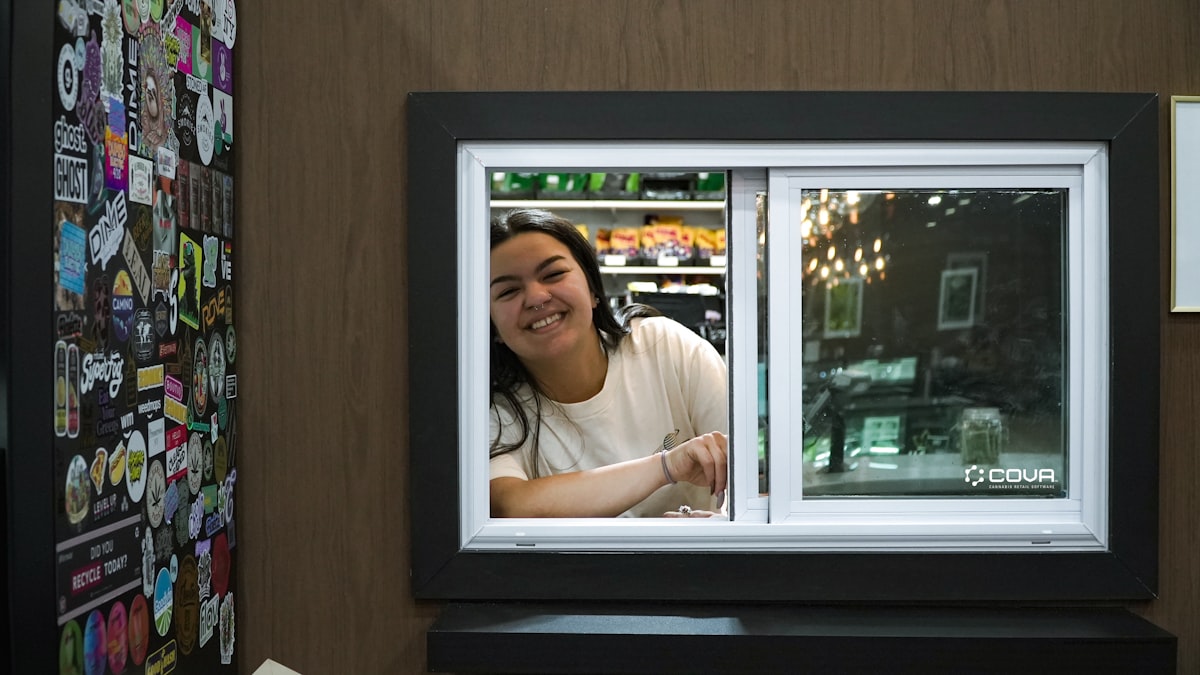
When a member of staff receives an alert, the recommended response is simple: approach the individual with a warm, friendly greeting. "Hi there, how can I help you today?" or "Is there anything I can help you find?" This is enhanced customer service, not security theatre. The goal is to let the person know they have been noticed: calmly, respectfully, and without accusation. Most people who intend to steal will change their mind the moment they realise staff are paying attention to them. You have not accused anyone. You have not embarrassed anyone. You have simply offered to help. That subtle shift in dynamic is incredibly powerful.
Aggressive confrontation puts staff at risk. It creates hostile situations that can escalate into violence. It damages your brand's reputation. And if you are wrong, if the alert turns out to be a false positive, the consequences are severe. Imagine physically removing an innocent person from your store based on a technology alert. The reputational damage, the legal exposure, the emotional harm to that individual. It is not worth it. Even with a system achieving 99.99% accuracy, no technology is perfect. That is exactly why your response protocol needs to be built on respect, not force.
Every person who triggers an alert deserves the benefit of the doubt. They may be on your watchlist from a previous incident, but that does not mean they have come to steal today. People's circumstances change. Someone who shoplifted a year ago might be in a completely different place now. By approaching them with respect and genuine customer service, you give them space to make the right choice. You are not ignoring the alert: you are responding to it intelligently. Your staff are present, attentive, and the individual knows they have been seen. That alone is a powerful deterrent.
Here is something most people do not consider: enhanced customer service does not just prevent theft: it can generate revenue. A person who walked in with the intention of stealing is now being actively assisted by a helpful member of staff. Under that kind of positive pressure, many people will actually make a purchase rather than risk being caught. Your facial recognition system, which was designed to prevent loss, has just driven a sale. The technology starts earning you money rather than just saving it. That is a return on investment that does not show up in traditional loss prevention metrics, but it is very real.
The technology is only as good as the people using it. FaiceTech provides guidance to every customer on how to build alert response protocols that prioritise safety, respect, and de-escalation. We recommend that every member of staff who receives alerts is trained on: how to approach calmly and naturally, what language to use and what to avoid, how to maintain awareness without creating tension, when to involve a manager, and when to step back entirely. The best security teams do not look like security teams. They look like the best customer service teams in the building.
Facial recognition is a tool. How you use it reflects your values as a business. At FaiceTech, we believe technology should make people safer without making anyone feel targeted or dehumanised. A calm, respectful response to every alert, whether the match is accurate or not, protects your staff, protects your customers, and protects your brand. That is the culture we encourage, and it is what separates responsible facial recognition from the aggressive surveillance most people fear.